Freelancing: A Complete Guide to Building a Successful Career Online

Introduction
The internet has changed the way people work. A few years ago, most professionals believed that the only path to success was getting a full-time office job. Today, that idea has changed dramatically. Thousands of people around the world earn a comfortable income by working online as freelancers. Whether you're a student, a stay-at-home parent, or someone looking for financial freedom, freelancing offers an opportunity to work on your own terms.
Freelancing is more than just earning money online. It is about building skills, creating your own schedule, and working with clients from different countries. While the journey is exciting, it also requires patience, dedication, and continuous learning.
This guide explains everything you need to know about freelancing, from getting started to building a long-term career.
What Is Freelancing?
Freelancing is a type of self-employment where individuals offer their services to clients without being permanently employed by one company. Freelancers usually work on short-term or long-term projects and are paid based on the work they complete.
Unlike traditional jobs, freelancers choose their own clients, working hours, and projects. Many freelancers work remotely from home, while others travel and work from anywhere with an internet connection.
Why Is Freelancing Becoming So Popular?
Freelancing has gained popularity because it provides flexibility and independence. People no longer need to spend hours commuting or follow strict office schedules. Instead, they can work from home, coffee shops, or even while traveling.
Some of the biggest benefits include:
Flexible working hours
Freedom to choose clients
Opportunity to earn more than a traditional salary
Work from anywhere
Better work-life balance
Global career opportunities
Although freelancing has many advantages, success doesn't happen overnight. Like any career, it requires effort and consistency.
Skills That Can Help You Succeed
One of the biggest myths about freelancing is that you need advanced technical knowledge. In reality, clients hire freelancers for many different services.
Popular freelance skills include:
Content Writing
Graphic Design
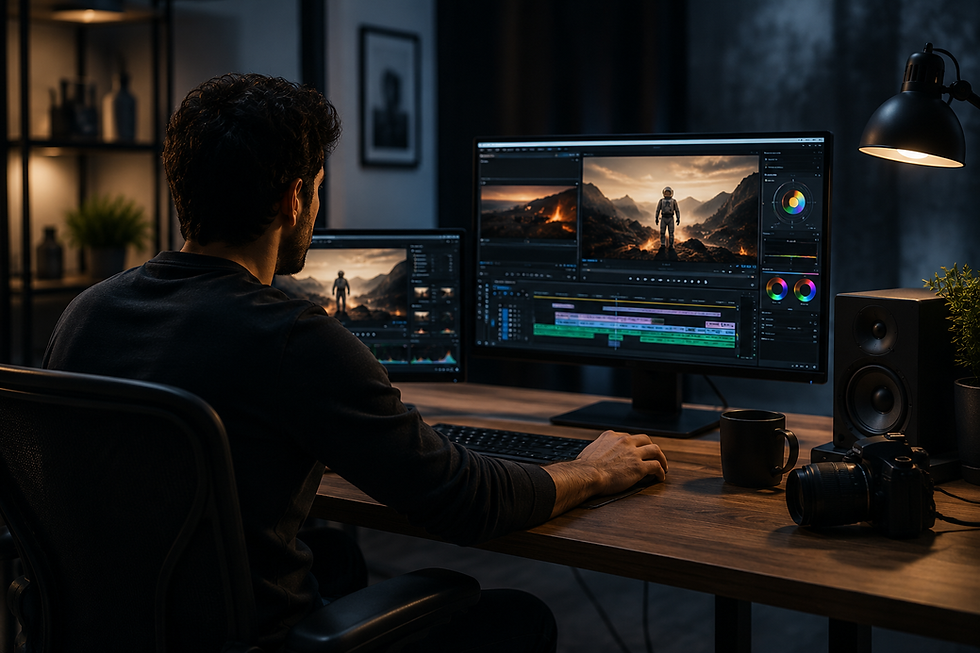
Video Editing
Digital Marketing
SEO
Social Media Management
Website Development
WordPress
Virtual Assistance
Translation
Data Entry
Customer Support
The most successful freelancers usually focus on one or two skills and continue improving
them over time.
How to Start Freelancing

Getting started may seem overwhelming, but breaking the process into small steps makes it much easier.
1. Learn a Valuable Skill
Choose a skill that interests you and invest time in learning it. There are many free resources, online tutorials, and practice projects available.
2. Build a Portfolio
Clients want to see examples of your work before hiring you. Create sample projects even if you don't have real clients yet.
A strong portfolio often matters more than years of experience.
3. Create Professional Profiles
Sign up on popular freelance marketplaces and complete your profile with a professional photo, clear description, and portfolio.
Your profile should explain:
Who you are
What services you provide
Why clients should hire you
Examples of your work
4. Start Small
Don't expect to earn thousands of dollars during your first month. Focus on gaining experience, positive reviews, and satisfied clients.
Every successful freelancer started with their first project.
Common Challenges Freelancers Face

Freelancing offers freedom, but it also comes with responsibilities.
Finding Clients
The beginning is usually the hardest part. You may send many proposals before receiving your first response.
Managing Time
Without a boss supervising your work, discipline becomes essential. Successful freelancers create daily schedules and stick to them.
Handling Difficult Clients
Not every client will be easy to work with. Clear communication and written agreements help avoid misunderstandings.
Income Fluctuation
Unlike traditional jobs, freelance income may vary each month. Financial planning is important to handle slow periods.
Tips for Long-Term Success
Freelancing is a marathon, not a sprint.
Here are some habits that successful freelancers follow:
Deliver work before deadlines.
Communicate professionally.
Keep learning new skills.
Ask satisfied clients for testimonials.
Maintain a healthy work-life balance.
Never stop improving your portfolio.
Building trust is often more valuable than finding new clients.
Mistakes Beginners Should Avoid
Many beginners make similar mistakes during their first year.
Avoid these common problems:
Charging extremely low prices
Missing deadlines
Ignoring client instructions
Copying other people's work
Giving up too early
Poor communication
Professionalism is one of the biggest factors that separates successful freelancers from unsuccessful ones.
The Future of Freelancing
Remote work continues to grow worldwide. Businesses increasingly hire freelancers because it saves costs and allows them to access talented professionals from around the world.
Artificial intelligence and automation are changing many industries, but human creativity, communication, problem-solving, and strategic thinking remain highly valuable. Freelancers who continue learning will always have opportunities.
Final Thoughts
Freelancing is not a shortcut to instant wealth, but it can become a rewarding career for those willing to work consistently. Success comes from improving your skills, treating clients professionally, and staying patient during the early stages.
Every experienced freelancer was once a beginner who struggled to find their first client. The difference is that they kept learning, kept improving, and never stopped believing in their abilities.
If you're thinking about starting your freelance journey, there's no perfect time to begin. Start learning today, build your portfolio, and take the first step. Your future clients are looking for someone with your skills—you just have to make yourself visible.
Frequently Asked Questions
Q1. Is freelancing good for beginners?Yes. Beginners can start by learning one skill, building a portfolio, and gradually gaining experience through smaller projects.
Q2. Can students do freelancing? Absolutely. Freelancing is an excellent option for students because it offers flexible working hours and helps develop practical skills.
Q3. Do I need a degree to become a freelancer? No. Most clients care more about your skills, experience, and portfolio than your educational background.
Q4. How long does it take to become successful? It varies for everyone. Some people find clients within weeks, while others may take several months. Consistency and continuous learning are the keys to success.
Comments